Modern 3D Hexagonal Pattern Backgrounds: A Dynamic Choice for High-Tech Visual Design
Understanding Modern 3D Hexagonal Pattern Backgrounds
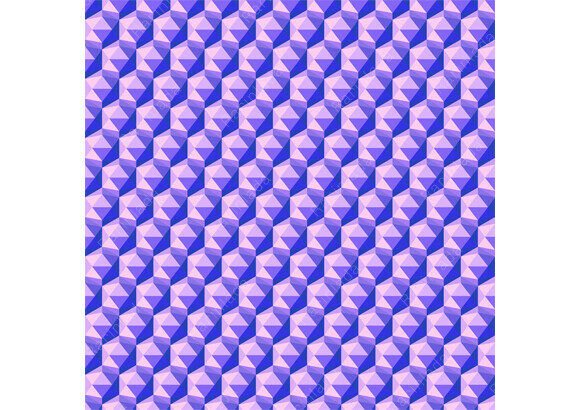
Modern 3D hexagonal pattern backgrounds are a contemporary design solution that blends geometric aesthetics with depth and dimension. These backgrounds feature repeating hexagonal shapes rendered in three dimensions, often enhanced with vibrant color gradients such as purple and blue prisms. Designed for versatility, they are commonly used in digital projects ranging from website interfaces to marketing materials and UI/UX design.
These backgrounds are typically created using vector graphics, allowing for infinite scalability without loss of quality. They are often delivered in formats like EPS Version 10 and JPG, ensuring compatibility with a wide range of graphic design software including Adobe Illustrator and CorelDRAW. The absence of watermarks and the inclusion of fully editable layers make them a practical choice for designers seeking customization flexibility.
Why Designers Might Choose 3D Hexagonal Patterns
Designers and developers often seek backgrounds that offer both visual interest and technical flexibility. The modern 3D hexagonal pattern stands out for its ability to convey a sense of innovation and professionalism. It is particularly appealing for high-tech, science, or digital-themed projects where a futuristic or structured aesthetic is desired.
- Visual Appeal: The combination of hexagonal geometry and 3D rendering creates a dynamic visual rhythm that draws attention without overwhelming the content.
- Color Versatility: Vibrant purple and blue prisms offer a modern color palette that can be adjusted to match branding or mood.
- Scalability: As vector-based graphics, these backgrounds can be resized for use across different platforms and resolutions without degradation.
Benefits of Using Modern 3D Hexagonal Pattern Backgrounds
When integrated thoughtfully, modern 3D hexagonal patterns offer several advantages:
- Professional Look: These backgrounds add a polished and structured appearance to websites and digital assets, aligning well with tech-oriented or innovative brands.
- Customization: Since they are fully editable, users can tweak colors, layers, and effects to better suit their specific design goals.
- Compatibility: With support for both EPS and JPG formats, they are accessible to a broad range of creative professionals, from hobbyists to seasoned designers.
- Efficiency: Ready-made vector backgrounds save time compared to designing from scratch, especially when working under tight deadlines.
Considerations and Potential Tradeoffs
While modern 3D hexagonal pattern backgrounds are visually striking, they may not be the best fit for every project. Here are some important factors to weigh before selecting this design element:
- Complexity: Highly detailed 3D patterns can sometimes distract from foreground content, especially in minimalist or content-heavy designs.
- File Size: Although vector files are scalable, they can be larger than standard raster images, potentially affecting website load times if not optimized properly.
- Style Fit: The geometric and high-tech appearance may not align with more traditional, organic, or casual design themes.
It’s also important to consider how these backgrounds will interact with other visual elements such as typography, buttons, and icons. In some cases, simplifying the background or using it selectively (e.g., as a hero section or accent area) can help maintain visual hierarchy and usability.
When This Background Style Is a Strong Fit
Modern 3D hexagonal pattern backgrounds are particularly well-suited for the following scenarios:
- Technology and Innovation Websites: Startups, SaaS platforms, and digital agencies can benefit from the futuristic aesthetic to reinforce their brand identity.
- Portfolio and Creative Websites: Designers and developers showcasing their work can use these backgrounds to highlight their modern sensibilities and technical skills.
- Promotional and Landing Pages: High-impact visuals can help capture attention and guide user interaction, especially in campaigns targeting tech-savvy audiences.
- UI/UX Mockups: These backgrounds are useful for creating visually engaging prototypes and interface designs that reflect current design trends.
When Alternatives May Be Worth Considering
While the modern 3D hexagonal pattern is a powerful design asset, there are situations where alternative background styles may be more appropriate:
- Minimalist Designs: For brands that prioritize simplicity and clean aesthetics, flat colors or subtle gradients may be more effective.
- Content-Driven Sites: Blogs, news platforms, or educational websites may benefit from less visually complex backgrounds to ensure readability and focus.
- Branding Consistency: If the brand uses a specific color scheme or visual language that doesn’t align with hexagonal geometry, a different pattern or texture might be better suited.
Exploring alternatives such as abstract gradients, subtle textures, or animated backgrounds can provide a fresh perspective while still maintaining a modern design language.
Practical Insights for Decision-Making
When evaluating whether to incorporate a modern 3D hexagonal pattern background into your project, consider the following questions:
- What is the primary purpose of the design? If the goal is to convey innovation or attract a tech-oriented audience, this style may align well with your objectives.
- How will this background interact with other design elements? Ensure that the pattern supports rather than competes with the content and interactive components.
- Do you have the tools and skills to edit vector files? While the files are fully editable, some familiarity with programs like Adobe Illustrator or CorelDRAW may be necessary for customization.
- What are the performance implications? Optimize the file size and format to ensure fast loading times, especially for web use.
By aligning the choice of background with both aesthetic goals and technical constraints, you can make an informed decision that enhances the overall effectiveness of your design.
Conclusion
Modern 3D hexagonal pattern backgrounds offer a compelling blend of structure, depth, and vibrancy, making them a valuable asset for designers working in high-tech or creative industries. With their vector-based format, they provide flexibility and scalability, supporting a wide range of applications. However, like any design element, their effectiveness depends on how well they align with the project’s goals, audience, and overall visual strategy.
Before committing to this style, evaluate its suitability in the context of your brand, content, and user experience goals. When used thoughtfully, these backgrounds can elevate your design and contribute to a memorable and engaging visual experience.