Exploring the Visual Impact of Abstract 3D Gradient Backgrounds
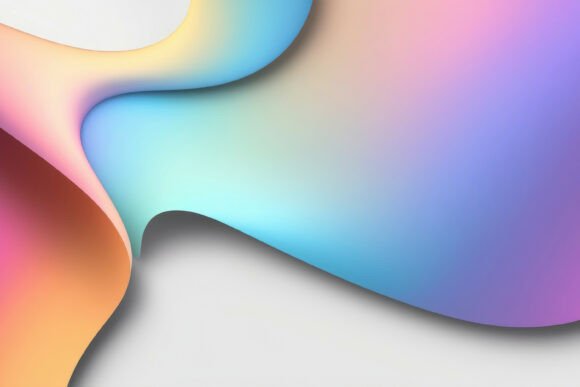
Abstract 3D gradient backgrounds have emerged as a powerful visual tool in modern digital and print design. These backgrounds blend depth, motion, and color transitions to create a sense of dimensionality that enhances any project they're applied to. Whether used in web design, digital marketing, or printed media, their ability to draw attention while maintaining aesthetic harmony makes them a preferred choice among designers and creators.
Understanding the Core Features of Abstract 3D Gradient Backgrounds
At the heart of every abstract 3D gradient background is its ability to simulate depth and movement through color blending and layering. Unlike traditional flat gradients, these designs incorporate multi-dimensional effects that give the illusion of space and form. This effect is often achieved using advanced rendering techniques that mimic lighting, shadows, and perspective.
- JPG File Format: The use of JPG files ensures compatibility across platforms and devices, making it easy to integrate these backgrounds into various design workflows.
- High Quality: These backgrounds are rendered at high resolutions, ensuring clarity and sharpness even when scaled for large formats or printed media.
- Print Ready: Designed with print applications in mind, these files meet the technical requirements for professional printing, including proper color profiles and resolution standards.
These features collectively contribute to a seamless experience whether the background is used on a website, a mobile app, or as part of a physical product design.
Practical Applications Across Industries
One of the most compelling aspects of abstract 3D gradient backgrounds is their versatility. They are not limited to a single domain or industry. Instead, they find relevance across a wide range of applications:
Web Design and User Interfaces
In web and UI design, these backgrounds are used to create visually engaging landing pages, hero sections, and background layers that enhance user experience. Their layered appearance adds depth to flat screen interfaces, making them feel more immersive and dynamic.
Graphic Design and Branding
Graphic designers often leverage these backgrounds to add a modern, high-end aesthetic to branding materials such as business cards, brochures, and social media visuals. The gradient transitions can be customized to align with brand colors, creating a cohesive and professional look.
Presentations and Educational Content
For educators and professionals preparing presentations, abstract 3D gradient backgrounds offer a visually appealing alternative to plain slides. They help maintain audience engagement without distracting from the core message.
Why Abstract 3D Gradient Backgrounds Stand Out
The appeal of these backgrounds lies in their ability to combine artistic expression with technical precision. Here are some key advantages that make them stand out in the design world:
- Visual Depth: By simulating three-dimensional space, these backgrounds add a layer of realism and complexity that flat designs cannot achieve.
- Flexibility: They can be easily adapted to different color schemes, resolutions, and formats, making them suitable for both digital and print use.
- Scalability: High-resolution JPG files ensure that the background maintains its quality when resized for different applications, from mobile screens to large banners.
These benefits make abstract 3D gradient backgrounds a go-to choice for designers who want to elevate the visual quality of their work without compromising usability or accessibility.
Considerations for Effective Use
While abstract 3D gradient backgrounds are visually striking, their successful implementation requires thoughtful planning. Here are some considerations to keep in mind:
Contrast and Readability
When using these backgrounds in web or print layouts, it's essential to ensure sufficient contrast between the background and any text or foreground elements. This helps maintain readability and accessibility, especially for users with visual impairments.
File Size and Performance
Although JPG files are widely supported, high-resolution images can sometimes lead to larger file sizes. Optimizing these files for web use without compromising quality is crucial for maintaining fast load times and smooth user experiences.
Color Coordination
Designers should consider how the gradient's color palette interacts with other design elements. Choosing gradients that complement the overall color scheme can enhance the visual harmony of the final product.
Real-World Examples and Observations
Many modern websites and digital platforms have adopted abstract 3D gradient backgrounds to create a sense of innovation and modernity. For instance, tech startups often use these backgrounds in their landing pages to convey a futuristic and dynamic brand image. Similarly, creative agencies incorporate them into portfolio sections to showcase their design capabilities.
Print designers have also found value in these backgrounds, especially when creating promotional materials such as posters, flyers, and packaging designs. The gradient's depth and texture can make printed materials feel more premium and visually engaging.
Conclusion
Abstract 3D gradient backgrounds represent a convergence of art and technology, offering designers a versatile and visually compelling tool. Their ability to enhance digital and print media with depth, motion, and sophistication makes them a valuable asset in a wide range of creative fields. Whether you're a professional designer, educator, or entrepreneur, incorporating these backgrounds into your work can elevate the visual impact of your projects and help you stand out in a competitive landscape.